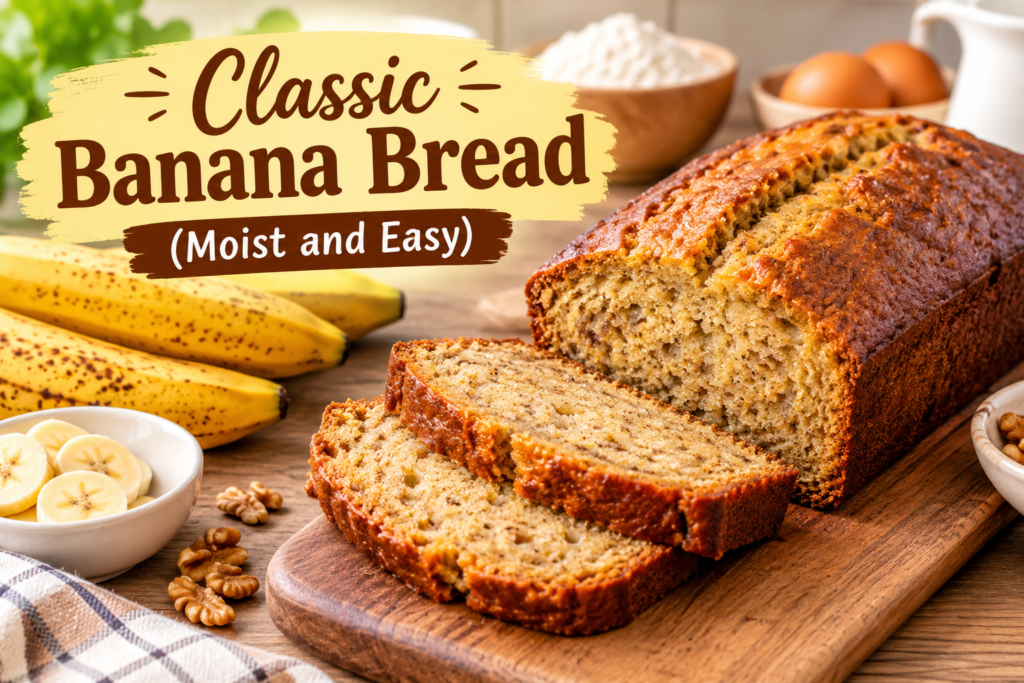
There is something wonderfully comforting about a freshly baked loaf of classic banana bread. With its soft texture, naturally sweet banana flavor, golden-brown crust, and irresistible aroma, homemade banana bread is a timeless favorite for breakfast, afternoon tea, or a simple homemade dessert. Best of all, it is an excellent way to use overripe bananas that might otherwise go to waste.
Our moist and easy banana bread recipe uses everyday pantry ingredients and requires no special equipment. We combine ripe bananas, melted butter, sugar, eggs, flour, and a few simple baking essentials to create a tender loaf with a rich banana flavor. Whether we are baking for the family, preparing something for guests, or looking for a reliable beginner-friendly recipe, this classic version delivers delicious results.
In this guide, we will cover everything needed to make perfect banana bread, including ingredient choices, preparation techniques, baking instructions, helpful tips, storage advice, and creative variations.
Table of Contents
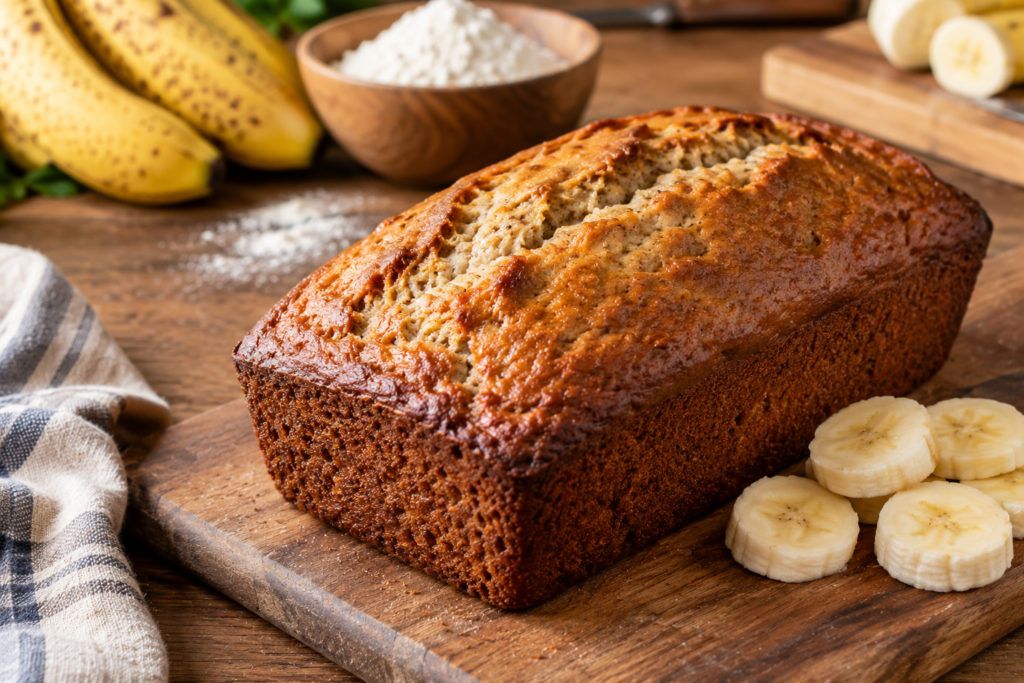
Why We Love This Classic Banana Bread Recipe
This homemade banana bread is designed to be simple, dependable, and full of flavor. Here are some of the reasons it deserves a place in our regular baking routine:
- Moist and tender texture: Ripe bananas and melted butter help create a soft, satisfying crumb.
- Easy preparation: We can mix the batter in one bowl, making cleanup quick and convenient.
- Simple ingredients: Most of the ingredients are everyday staples already found in the kitchen.
- Naturally sweet banana flavor: Overripe bananas provide much of the loaf’s sweetness and distinctive taste.
- Perfect for using ripe bananas: This recipe gives extra-ripe fruit a delicious second life.
- Versatile serving options: We can enjoy it plain, toasted, with butter, or alongside coffee and tea.
- Excellent for make-ahead baking: The loaf stores well and can also be frozen for later.
The key to delicious banana bread is not complicated technique. Instead, we focus on using sufficiently ripe bananas, measuring the ingredients accurately, and avoiding overmixing the batter.
Ingredients for Moist and Easy Banana Bread
We use a combination of basic ingredients to produce a flavorful loaf with a soft interior and lightly golden crust.
Main Ingredients
- 3 large ripe bananas: Mashed, preferably with plenty of brown spots on the peel.
- ½ cup unsalted butter: Melted and slightly cooled.
- ¾ cup granulated sugar: Adjust slightly according to the sweetness of the bananas.
- 2 large eggs: At room temperature when possible.
- 1 teaspoon vanilla extract: Adds warmth and depth to the flavor.
- 1½ cups all-purpose flour: Measured carefully for the best texture.
- 1 teaspoon baking soda: Helps the bread rise.
- ½ teaspoon salt: Balances the sweetness and enhances the banana flavor.
- ½ teaspoon ground cinnamon: Optional, but adds a pleasant warmth.
- 2 tablespoons milk or plain yogurt: Optional, if a slightly softer batter is desired.
Optional Add-Ins
We can personalize the loaf with a few additional ingredients:
- ½ cup chopped walnuts or pecans for a nutty crunch.
- ½ cup chocolate chips for a richer, dessert-style banana bread.
- ¼ teaspoon ground nutmeg for extra warmth.
- A handful of shredded coconut for a subtle tropical flavor.
- A small amount of orange zest for a fresh citrus note.
We should avoid adding too many extras, as excessive ingredients can make the loaf heavy or affect its baking time.
How to Choose the Best Bananas
The bananas we use make a significant difference in the final flavor and texture. For the best classic banana bread, we should choose bananas that are very ripe, soft, and covered with brown or dark spots.
As bananas ripen, their starches gradually break down into sugars. This makes them sweeter, softer, and easier to mash. Ripe bananas also contribute moisture and a stronger banana aroma to the finished loaf.
Green or barely ripe bananas generally produce a less flavorful bread. If our bananas are still firm and pale, we can allow them to ripen at room temperature for a few days.
If we have ripe bananas but are not ready to bake, we can peel them, place them in an airtight container or freezer bag, and freeze them. Once thawed, they may release extra liquid, which can be incorporated into the mashed bananas.
Equipment Needed
We do not need expensive baking equipment for this recipe. The following basic tools are sufficient:
- One standard 9 × 5-inch loaf pan, or a similar-sized loaf tin.
- Mixing bowls.
- A fork or potato masher.
- A whisk or wooden spoon.
- Measuring cups and spoons.
- A rubber spatula.
- Parchment paper or a little butter and flour for preparing the pan.
- A wire cooling rack.
We should ensure that the loaf pan is not excessively small, as the batter needs room to rise during baking.
How to Make Classic Banana Bread
Step 1: Prepare the Oven and Loaf Pan
We begin by preheating the oven to 350°F (175°C). Proper preheating is important because the batter should enter an oven that has already reached the correct temperature.
Next, we grease a 9 × 5-inch loaf pan with butter or nonstick cooking spray. We can also line it with parchment paper, leaving a little overhang on the sides to make the baked loaf easier to lift out.
Step 2: Mash the Bananas
We peel the ripe bananas and place them in a large mixing bowl. Using a fork, we mash them until they form a mostly smooth mixture.
A few small banana pieces are perfectly acceptable and can add little pockets of flavor to the finished bread. However, we should avoid leaving large chunks, as they may create uneven moisture in the loaf.
For this recipe, we should have approximately 1¼ to 1½ cups of mashed banana.
Step 3: Combine the Wet Ingredients
To the mashed bananas, we add the melted and slightly cooled butter, granulated sugar, eggs, and vanilla extract.
We whisk or stir the ingredients until they are well combined. The mixture should look smooth and moist, with the butter evenly distributed.
If we are using milk or yogurt, we can add it at this stage. We should allow melted butter to cool slightly before mixing it with the eggs to avoid accidentally warming them too much.
Step 4: Mix the Dry Ingredients
In a separate bowl, we combine the all-purpose flour, baking soda, salt, and cinnamon.
Mixing the dry ingredients separately helps distribute the baking soda and salt evenly throughout the flour. This supports consistent rising and flavor in every slice.
We should measure the flour carefully. Too much flour is one of the most common reasons banana bread turns out dry or dense.
Step 5: Combine the Wet and Dry Mixtures
We gradually add the dry ingredients to the bowl containing the wet ingredients.
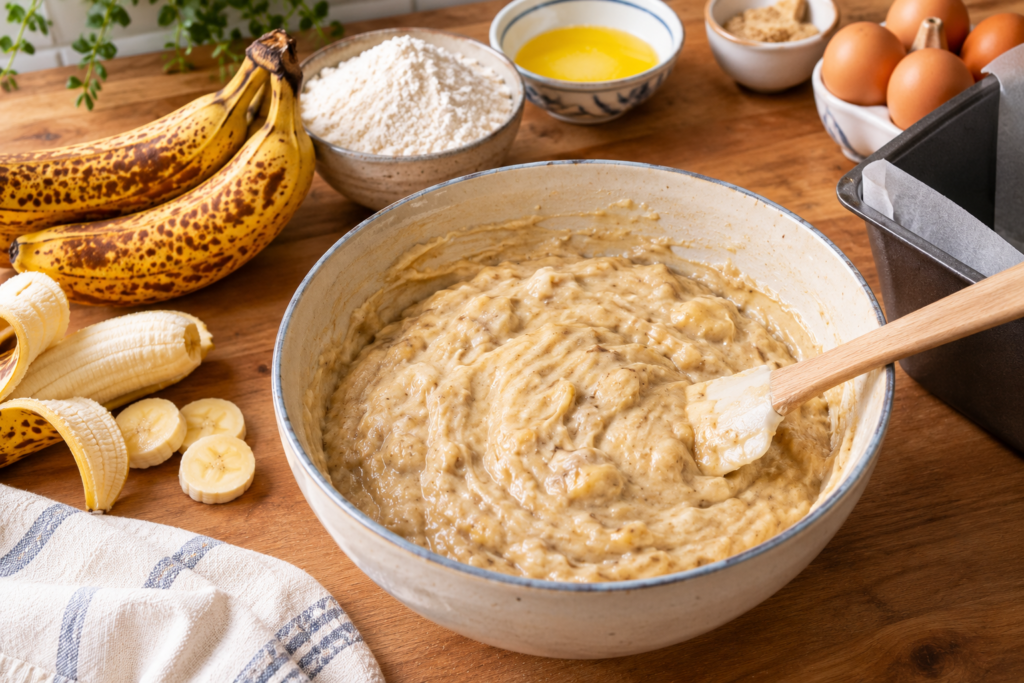
Using a spatula or wooden spoon, we gently fold everything together until no large streaks of dry flour remain. We should not overmix the batter.
A few small lumps are normal and preferable to a completely smooth batter. Excessive stirring develops gluten in the flour, which can result in a tougher, chewier loaf instead of the soft texture we want.
If we are adding walnuts, pecans, or chocolate chips, we gently fold them into the batter at the end.
Step 6: Transfer the Batter to the Pan
We pour the batter into the prepared loaf pan and spread it evenly with a spatula.
For an attractive finish, we can place a thin slice of banana lengthwise on top of the batter before baking. This is optional and may create a lovely bakery-style appearance.
We should avoid filling the pan all the way to the top. The batter needs space to expand as it bakes.
Step 7: Bake the Banana Bread
We place the loaf pan in the preheated oven and bake for approximately 55–70 minutes.
The exact baking time depends on the size of the pan, the moisture in the bananas, and the individual oven. We should begin checking the loaf around the 50-minute mark.
The banana bread is ready when:
- The top is golden brown.
- The loaf has risen and appears set in the center.
- A toothpick inserted into the middle comes out clean or with a few moist crumbs.
- The edges are beginning to pull slightly away from the pan.
If the top becomes brown too quickly while the center is still underbaked, we can loosely cover the loaf with aluminum foil and continue baking.
Step 8: Cool Before Slicing
Once baked, we remove the pan from the oven and let the bread cool for approximately 10–15 minutes.
We then carefully transfer the loaf to a wire rack and allow it to cool further. For the cleanest slices, we should wait until the bread is mostly cool before cutting it.
Although it can be tempting to slice immediately, allowing the loaf to cool helps the crumb set and prevents it from becoming crumbly or gummy.
Expert Tips for Extra-Moist Banana Bread
Use Very Ripe Bananas
The riper the bananas, the more intense the flavor and natural sweetness. Soft, heavily spotted bananas are ideal.
Measure Flour Correctly
We should spoon flour into a measuring cup and level it with a straight edge rather than scooping directly from the flour container. This prevents accidentally adding too much flour.
For the most accurate results, we can use a kitchen scale.
Do Not Overmix
Once the flour is added, we should mix only until the ingredients are combined. Overmixing can produce a dense or rubbery loaf.
Use Melted Butter Carefully
Melted butter adds richness and helps create a tender texture. We should allow it to cool slightly before combining it with the eggs.
Avoid Opening the Oven Too Early
Opening the oven door repeatedly during the first part of baking can cause the loaf to lose heat and affect its rise. We should check the bread only when it is close to the expected baking time.
Check the Center Properly
The outside of banana bread may appear fully baked before the center is ready. A toothpick inserted into the middle is a useful way to check doneness.
Allow Adequate Cooling
Cooling gives the bread time to finish setting. This helps us achieve neat slices and a more pleasant texture.
Common Banana Bread Mistakes and How to Avoid Them
Why Is Our Banana Bread Dry?
Dry banana bread is often caused by too much flour, insufficient banana, or overbaking. We should measure flour carefully and begin checking the loaf before the maximum baking time.
Why Is the Center Gummy?
A gummy center may mean the loaf was underbaked, the bananas contained considerable moisture, or the batter was overmixed. We should ensure the center is fully set before removing the bread from the oven.
Why Did the Bread Not Rise?
Old baking soda, inaccurate measurements, or an oven that was not properly preheated can affect the rise. We should use fresh leavening ingredients and verify that the oven is at the correct temperature.
Why Did the Top Crack?
A crack along the top is completely normal and is often a sign that the loaf expanded as it baked. It is part of the classic appearance of homemade quick bread.
Why Did the Bread Sink in the Middle?
A loaf may sink if the center is underbaked, if too much liquid is added, or if the oven door is opened too early. We should bake until the center is properly set.
Delicious Variations of Classic Banana Bread
Chocolate Chip Banana Bread
We can fold ½ cup of chocolate chips into the batter for a richer, sweeter loaf. Semi-sweet or dark chocolate chips work especially well with banana.
Walnut Banana Bread
Chopped walnuts add a pleasant crunch and a classic nutty flavor. We can lightly toast them before adding them to the batter for a deeper taste.
Cinnamon Swirl Banana Bread
We can prepare a simple cinnamon-sugar mixture and layer it through the batter before baking. This creates a fragrant swirl in each slice.
Coconut Banana Bread
A small amount of shredded coconut adds texture and a subtle tropical character. Unsweetened coconut works well if we prefer a less sugary loaf.
Healthy-Inspired Banana Bread
For a different version, we can replace part of the all-purpose flour with whole-wheat flour. The result may be slightly denser, but it adds a heartier flavor.
We can also reduce the sugar when using exceptionally sweet bananas, although this may slightly change the texture and sweetness of the finished loaf.
How to Serve Homemade Banana Bread
Freshly baked banana bread is delicious on its own, but there are several ways to serve it.
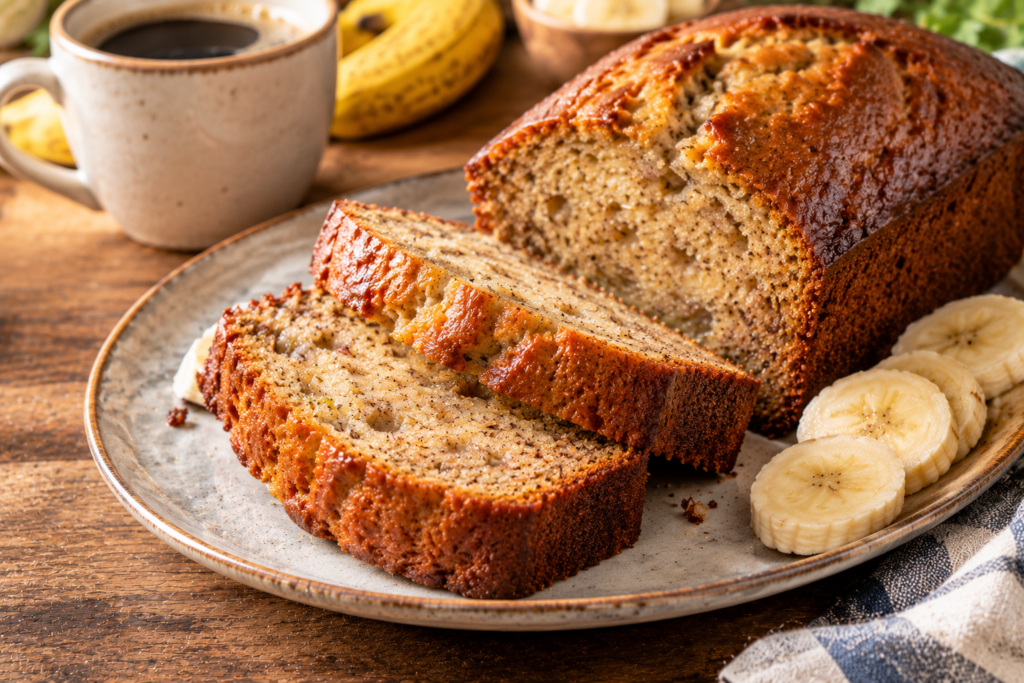
For breakfast, we can toast a slice and spread it with butter, peanut butter, or almond butter. The warmth enhances the banana aroma and creates a lightly crisp exterior.
For an afternoon snack, we can serve it with coffee, tea, or a glass of milk. A slice topped with Greek yogurt and fresh berries can also make a satisfying light meal.
For dessert, we can warm the bread slightly and serve it with vanilla ice cream, whipped cream, or a drizzle of honey.
We can also cut the loaf into smaller slices and arrange them on a serving platter for gatherings, family celebrations, or casual brunches.
How to Store Banana Bread
To keep our banana bread fresh, we should allow it to cool completely before storing it.
At Room Temperature
We can wrap the cooled loaf tightly in plastic wrap or place it in an airtight container. It can generally be kept at room temperature for approximately 2–4 days, depending on the environment and storage conditions.
In the Refrigerator
For longer storage, we can refrigerate the bread in an airtight container. Refrigeration may make the loaf slightly firmer, so we can bring slices to room temperature before serving.
In the Freezer
Banana bread freezes very well. We can wrap the entire loaf or individual slices in plastic wrap and place them in a freezer-safe bag or container.
For convenience, we can freeze individual portions and thaw them as needed. Properly wrapped banana bread can generally be stored in the freezer for approximately 2–3 months for good quality.
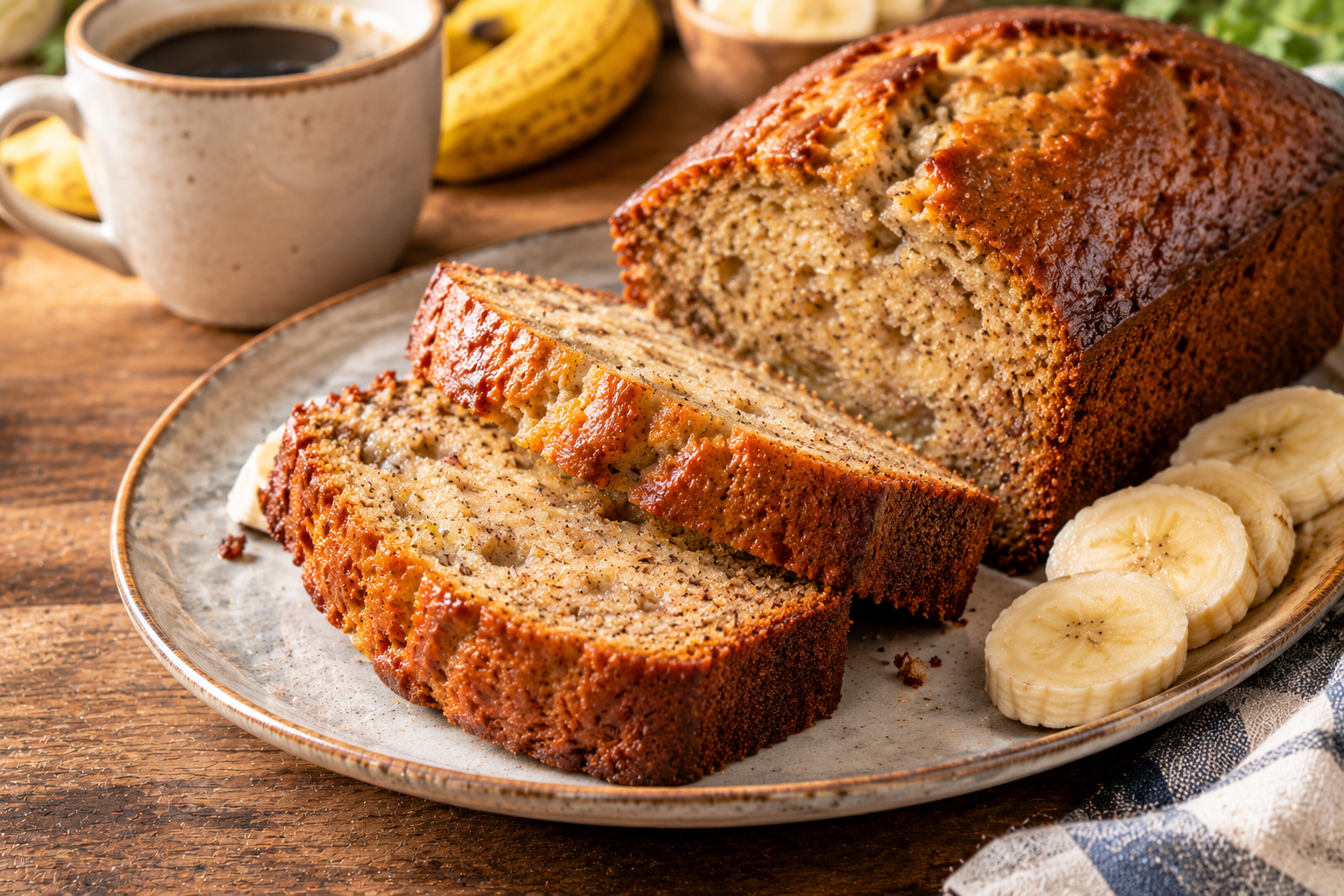
Classic Banana Bread Recipe
Ingredients
Method
- Preheat the oven to 350°F (175°C). Grease and line a 9 × 5-inch loaf pan.
- Mash the ripe bananas in a large mixing bowl.
- Add the melted butter, sugar, eggs, and vanilla extract. Stir until combined.
- In a separate bowl, whisk together the flour, baking soda, salt, and cinnamon.
- Gradually fold the dry ingredients into the wet mixture. Mix just until combined.
- Fold in walnuts or chocolate chips if desired.
- Pour the batter into the prepared loaf pan and smooth the top.
- Bake for 55–70 minutes, or until a toothpick inserted into the center comes out clean or with a few moist crumbs.
- Let the bread cool in the pan for 10–15 minutes.
- Transfer it to a wire rack, allow it to cool further, and slice before serving.
Notes
- Use very ripe bananas for the best flavor and moisture.
- Avoid overmixing the batter.
- Baking times vary by oven and pan size.
- If the top browns too quickly, loosely cover it with foil.
- Allow the loaf to cool before slicing for the best texture.
- Store leftovers in an airtight container.
Frequently Asked Questions
Can We Make Banana Bread Without a Mixer?
Yes. This recipe is ideal for hand mixing. A fork, whisk, or spatula is sufficient for preparing the batter.
Can We Use Frozen Bananas?
Yes. We should thaw frozen bananas before using them. Any liquid released during thawing can be mixed with the mashed bananas.
Can We Reduce the Sugar?
Yes. If the bananas are very ripe and naturally sweet, we can reduce the sugar slightly. However, sugar also contributes to moisture and texture, so a large reduction may change the finished loaf.
Can We Make This Recipe With Whole-Wheat Flour?
Yes, although whole-wheat flour generally produces a denser, heartier loaf. We can replace part of the all-purpose flour with whole-wheat flour for a balanced texture.
How Do We Know When Banana Bread Is Fully Baked?
We should insert a toothpick into the center of the loaf. If it comes out clean or with a few moist crumbs, the bread is generally ready. If wet batter remains on the toothpick, we should continue baking.
Why Does Banana Bread Taste Better the Next Day?
As the loaf rests, the banana flavor can become more pronounced, and the moisture distributes throughout the crumb. Properly stored banana bread often tastes even better the following day.
Final Thoughts
Our classic banana bread recipe is a simple and rewarding way to turn ripe bananas into a delicious homemade treat. With a soft, moist crumb, a rich banana flavor, and a golden crust, this loaf is suitable for everything from a relaxed breakfast to a comforting evening dessert.
By choosing ripe bananas, measuring flour carefully, and mixing the batter gently, we can consistently produce a flavorful loaf with excellent texture. We can enjoy it fresh from the oven, toast it the next morning, or freeze individual slices for later.
Once we have mastered this easy banana bread recipe, we can experiment with walnuts, chocolate chips, cinnamon, or other favorite additions to create our own signature version. A warm slice of homemade banana bread is a small pleasure that never goes out of style.
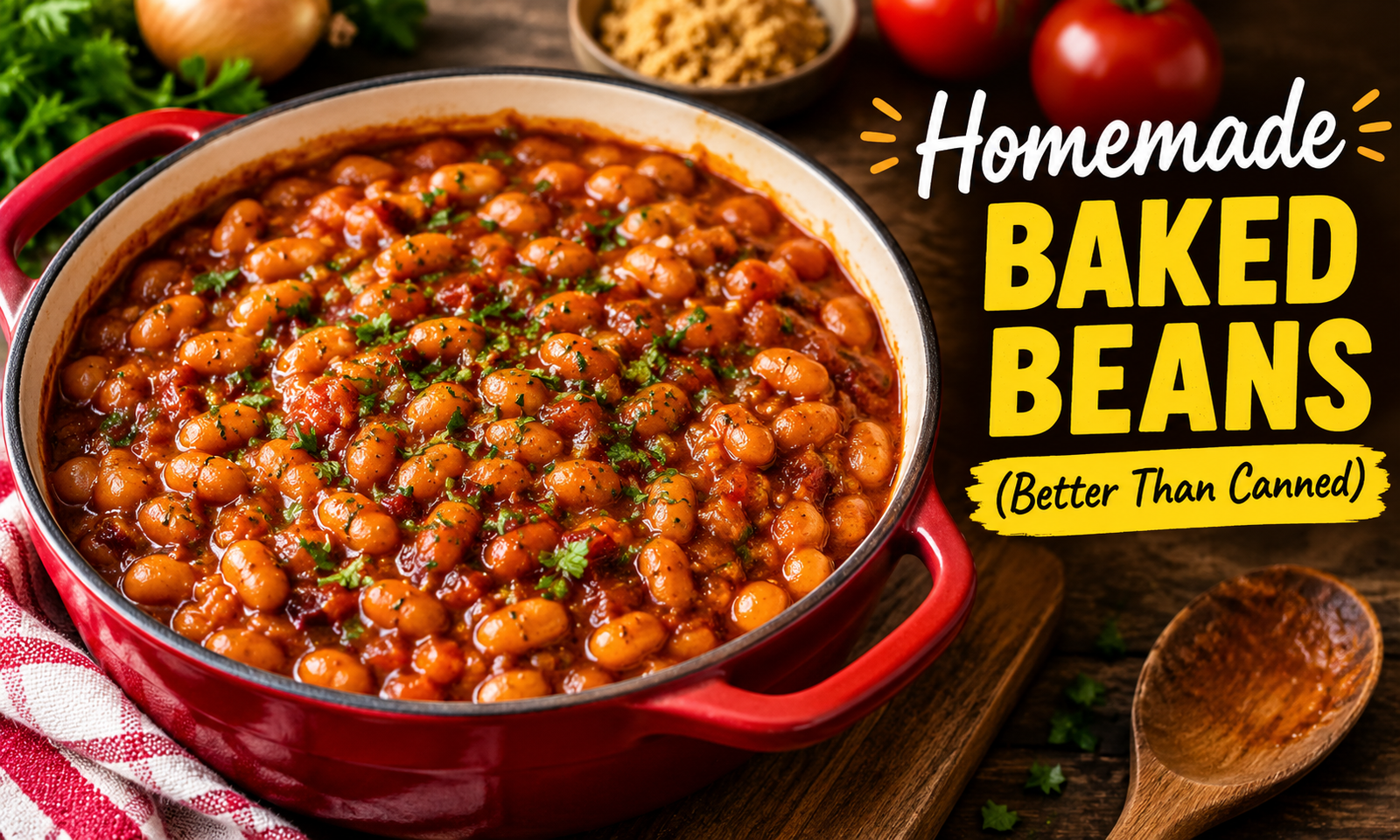
Check out: Homemade Baked Beans (Better Than Canned)
Get Access Now: Recipes
Classic Almond flour Banana Bread loaf Breakfast Mix: Click Here